
Every RV type we buy
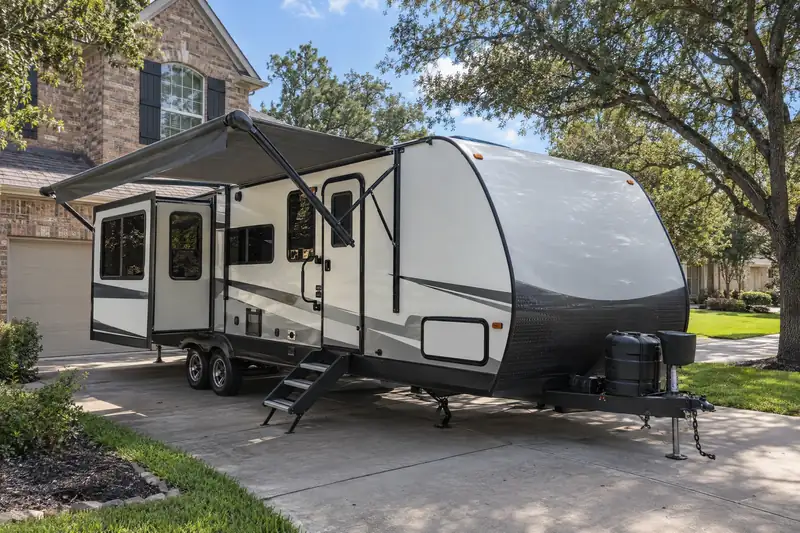
Travel Trailers
Selling a travel trailer in Greater Houston? Learn how layout, roof condition, towing gear and Texas title requirements affect a cash sale.
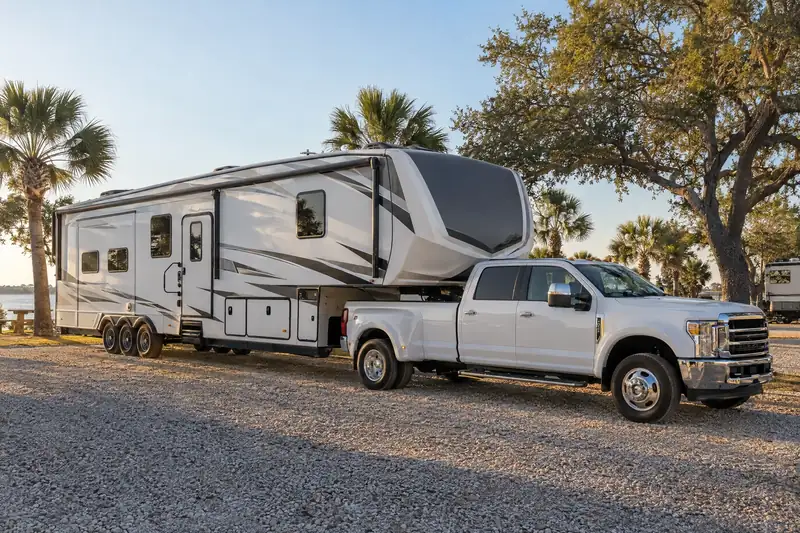
Fifth Wheels
Selling a fifth wheel in Houston? Learn which models we buy, what affects value, and which hitch, condition and storage details to share.
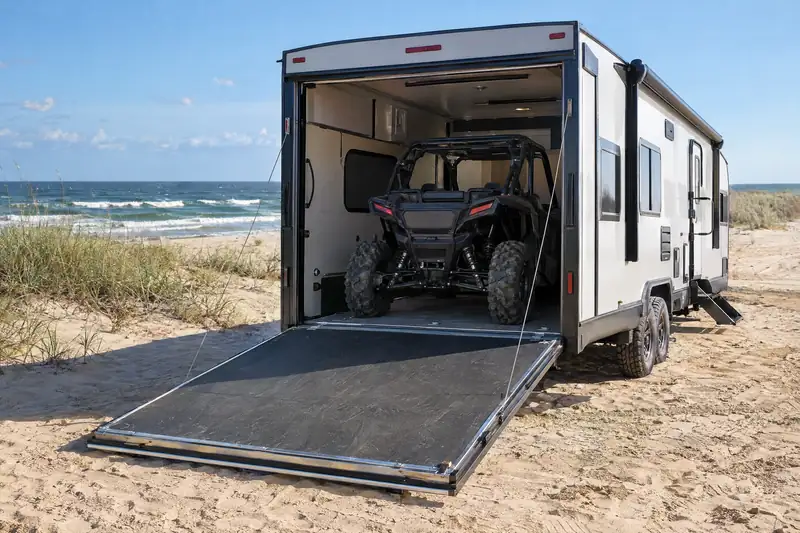
Toy Haulers
Sell a toy hauler in Greater Houston with details that matter: ramp, garage, generator, fuel station and pickup access. Includes a planning range and photo checklist.
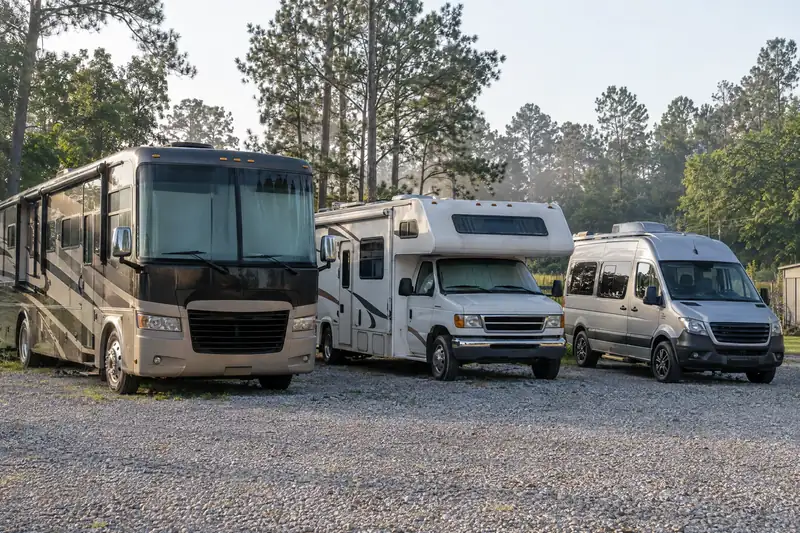
Motorhomes
Sell a motorhome in Greater Houston with class-specific value guidance, mechanical checklists and pickup considerations for running or non-running coaches.
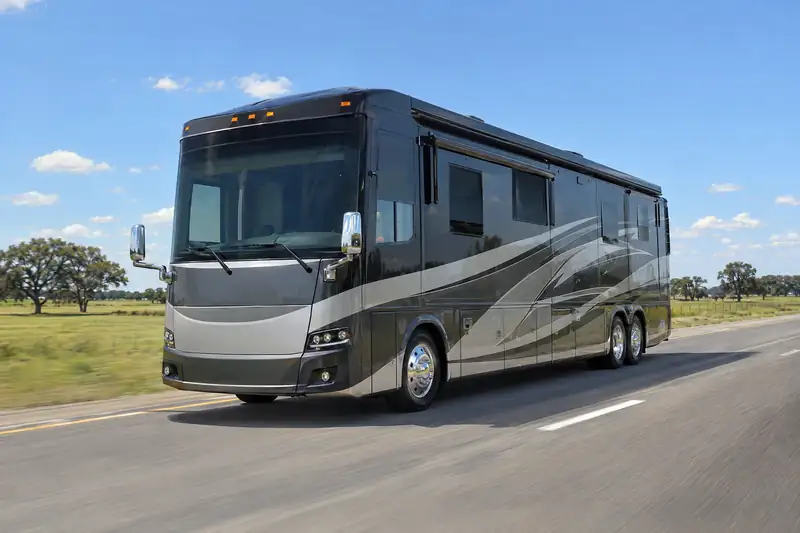
Class A Motorhomes
Sell a gas Class A or diesel pusher in Greater Houston. Learn which chassis details, house systems, service records and access conditions matter to an offer.
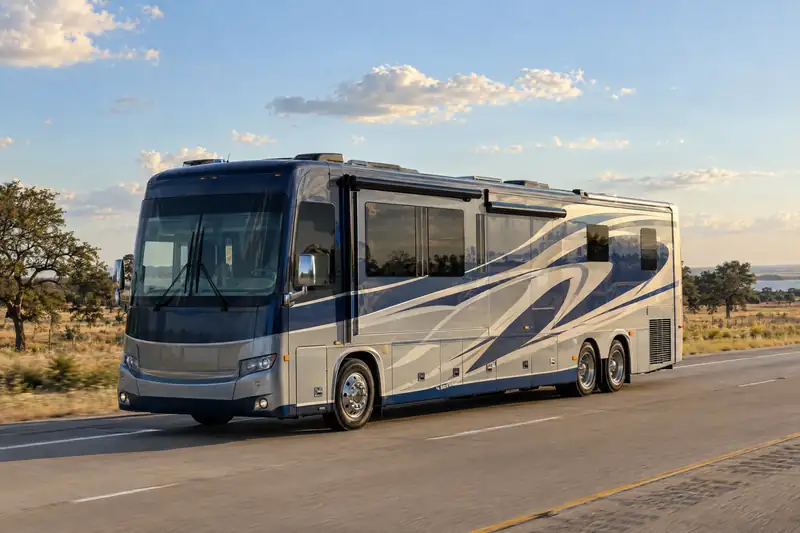
Diesel Pushers
Sell a diesel pusher in Greater Houston with a clearer view of chassis details, condition, model values and pickup needs, including older luxury coaches.
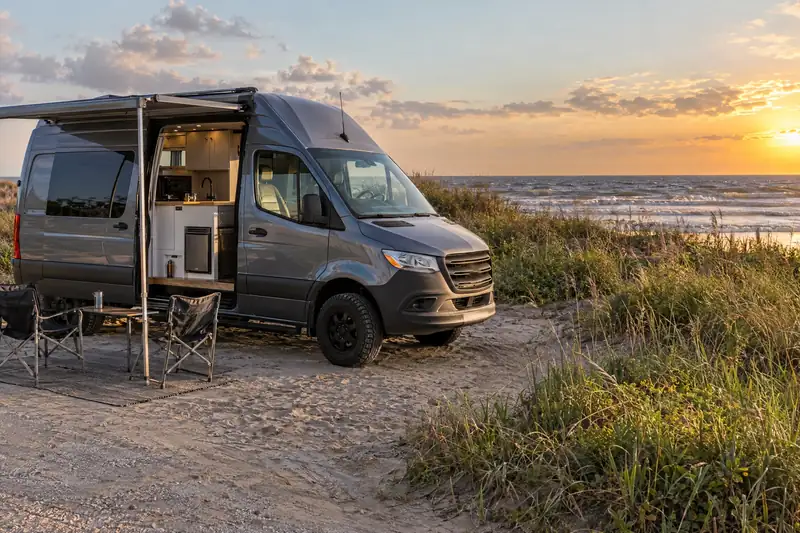
Class B Camper Vans
Sell a Class B camper van in Greater Houston with guidance on chassis, conversions, electrical systems, condition, model families and pickup preparation.
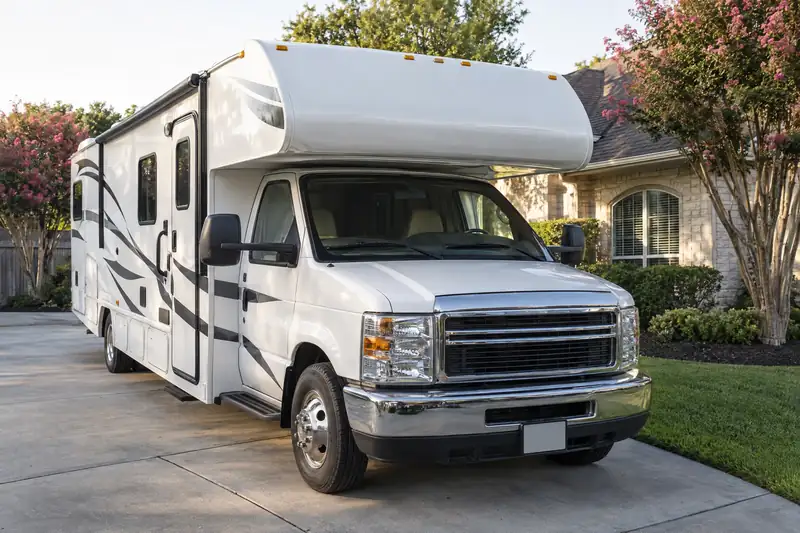
Class C Motorhomes
Selling a Class C in Greater Houston? Learn how cab-over leaks, chassis maintenance, layouts and pickup access affect evaluation, with a checklist of details to send.
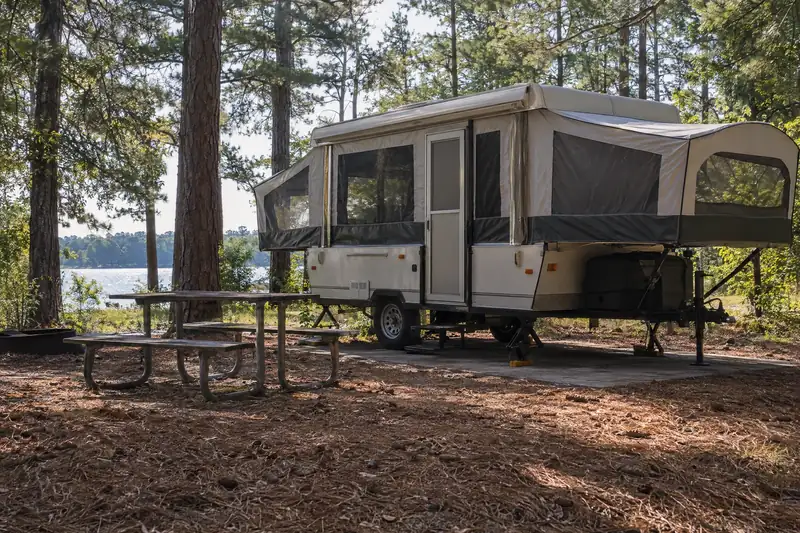
Pop-Up Campers
Sell a pop-up or A-frame camper in Greater Houston. Learn how canvas, lift systems, roofs, towing condition and ownership paperwork affect its evaluation.
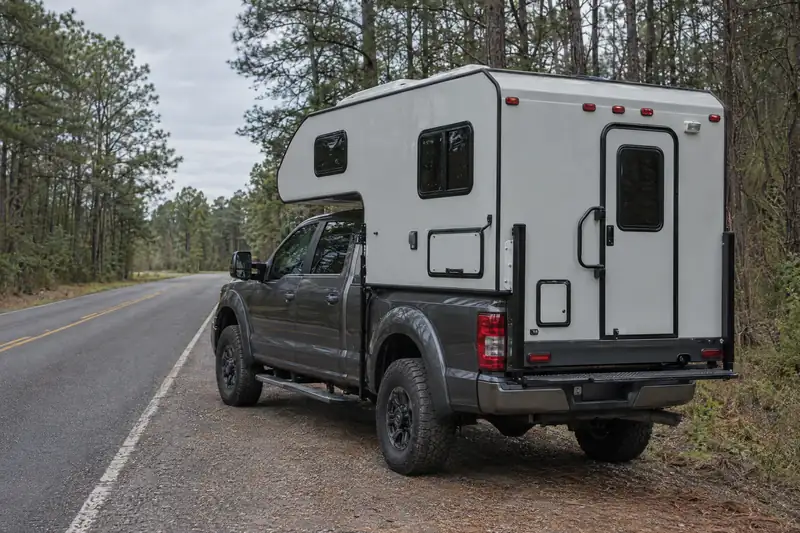
Truck Campers
Selling a truck camper near Houston? Learn what affects value, which fit and jack details to provide, how pickup works, and why ownership paperwork needs checking.


A camper with a rear loading ramp can also be a fifth wheel, and a motorhome advertised as B+ usually belongs with Class C models. The types of RVs we buy cover these overlapping categories, so you do not need to know every industry term before contacting us. Use this guide to identify your RV, find its dedicated page, and gather the details that describe it accurately.
Is my RV towable or motorized?
A motorized RV has its own engine and driving cab; a towable RV relies on another vehicle to move it. A steering wheel, dashboard, and engine identify a motorhome. A trailer tongue or raised front hitch identifies a towable.
Truck campers are the exception to that simple split: they have no engine, but ride in a pickup bed rather than rolling behind the truck. For a towable vs motorhome comparison, start with the vehicle structure—not the number of beds, slide-outs, or appliances. Both groups can have full kitchens and bathrooms.
What are the types of RVs we buy?
We buy eight broad RV categories, including both towable campers and self-propelled motorhomes. This table gives you RV classes explained through visible features; the size descriptions are general, not fixed category limits. The owner examples describe common uses rather than rules about who owns each type.
| RV type | How it connects or drives | Typical size in plain words | Typical owner or use |
|---|---|---|---|
| Travel trailer | Ball coupler connects to a tow vehicle's receiver hitch | Small weekend camper to large family trailer | Couples or families using a separate tow vehicle |
| Fifth wheel | Kingpin connects to a fifth-wheel hitch in a pickup bed | Usually medium to large, with a raised front room | Pickup owners wanting more living space |
| Toy hauler | Usually a travel-trailer or fifth-wheel connection | Compact trailer to large garage-equipped RV | Owners carrying motorcycles, ATVs, or bulky gear |
| Class A | Drives on an integrated, bus-shaped chassis | Generally large, with substantial living space | Travelers wanting a roomy motorhome |
| Class B | Drives as a converted production van | Van-sized, with a compact interior | Solo travelers or couples |
| Class C and Super C | Drives with a recognizable van or truck cab | Compact coach to large truck-based motorhome | Families or travelers wanting cab-chassis construction |
| Pop-up camper | Usually connects with a ball coupler | Low and compact when folded; expands at camp | Campers wanting a folding unit |
| Truck camper | Carried and secured in a pickup bed | Compact living unit, sometimes with slides | Pickup owners wanting a removable camper |

Travel trailers, fifth wheels, and toy haulers
Travel trailers have their own wheels and generally connect through a ball coupler at the front. They range from simple compact campers to bunkhouse layouts with multiple slides. A hybrid with fold-out tent beds still belongs in this family. For selling a travel trailer, identify its floorplan, slide count, hitch condition, and any soft flooring or leaks.
Fifth wheels have a raised front section that extends over the pickup bed. Their kingpin attaches to a fifth-wheel hitch, not an ordinary gooseneck ball unless the connection has been specifically modified or equipped. The travel trailer vs fifth wheel distinction is easiest to spot at the hitch. Our fifth-wheel buying page covers this category; useful details include overall length, front-room layout, landing gear operation, and slide condition.
Toy haulers have cargo space and usually a ramp for loading equipment. The term describes a feature rather than a single hitch style: a toy hauler can be a travel trailer, fifth wheel, or occasionally a motorhome. Visit the toy-hauler buying page for that category. Tell us the garage size, ramp condition, garage-floor damage, and generator hours if equipped.
Class A, Class B, and Class C motorhomes
Class A motorhomes have an integrated, bus-like body rather than a separate-looking van or truck cab. They include gasoline coaches and diesel models. A diesel pusher specifically has its engine at the rear; not every diesel motorhome is a pusher. Our Class A motorhome page covers both gas and diesel units. Gather mileage, engine location, chassis information, and maintenance records.
Class B camper vans keep most of their living space within a production van body. Raised roofs, beds, kitchens, and bathrooms do not change that basic structure. Their compact body distinguishes them from wider cab-chassis coaches. See our Class B camper-van page, and include the van chassis, mileage, roof configuration, installed equipment, and any conversion modifications in your description.
Class C motorhomes combine a recognizable van or truck cab with a separate coach body. Many have a sleeping area over the cab, though that feature is not required on every design. Super C models belong here too. Our Class C and Super C motorhome page is the appropriate starting point. The Class A B C difference is about construction, not simply which coach is longest.
Pop-up campers and truck campers
Pop-up or folding campers reduce in height for travel and expand for camping. Many use canvas sleeping sections; others have folding hard walls, including A-frame designs. Our pop-up camper buying page covers these units. Describe how the lift system works, whether the roof closes correctly, and any tears, mildew, leaks, or damaged bunk supports.
Truck campers are removable living units carried in a pickup bed. They are not fifth wheels, and the pickup is normally separate from the camper itself. Some have hard sides, while others use a pop-up roof. Visit our truck-camper buying page, and tell us the camper's identification information, bed-fit requirements, jack operation, tie-down condition, and whether the truck is included in your description.
What do hybrid, destination trailer, Super C, and B+ mean?
These labels describe construction or intended use, but they do not all represent separate RV classes. A hybrid usually combines a hard-sided travel-trailer body with fold-out tent sleeping sections.
A destination trailer is generally a residential-style towable intended for longer stays in one location. It is not automatically a park model or manufactured home; identification documents matter more than appearance alone.
A Super C is a Class C built on a heavier truck chassis, not a Class A diesel pusher. B+ is marketing language commonly used for a compact Class C-style coach. A streamlined front cap without an overhead bed does not make that coach a Class B van.
How do I find my RV's year, make, model, and floorplan?
Check the RV's identification label and ownership documents first, then compare them with its exterior decals and manual. If you are asking, “what type of RV do I have,” these sources help separate the manufacturer, model family, and exact layout.
- VIN plate or manufacturer label: Look near the trailer tongue, front exterior, entry area, or motorhome driver's area; placement varies.
- Exterior decals: Photograph brand, model, and floorplan lettering, including any letters after the numbers.
- Title or registration: Compare the year and VIN with the label on the RV.
- Owner's manual or original paperwork: Look for a model-specific cover, specification sheet, or purchase document.
A motorhome's chassis year can differ from its coach model year. A floorplan code is not necessarily its exact measured length. Send clear photos if the documents disagree rather than guessing.
What details should I send for my RV type?
Send the RV's identity, location, overall condition, and type-specific equipment details. Lisa RV Buyers buys used units of all years, makes, and models from owners in Harris, Montgomery, Fort Bend, Brazoria, and Galveston counties and nearby communities.
For trailers, note whether they can roll and connect for transport. For motorhomes, include mileage, starting and driving condition, and generator hours if available. For folding and removable campers, focus on lift systems, jacks, and structural condition.
Text exterior, interior, identification-label, and damage photos to 936-234-4278. Offers cost nothing and leave you free to decline; a photo-based figure is confirmed after an in-person look. Roof leaks, water damage, or a nonrunning engine do not prevent consideration, though substantial damage can mean a low offer. Mention coastal storage, flooding, corrosion, and air-conditioner problems where relevant.
Frequently asked questions
Can I ask for an offer if I do not know the exact RV category?
Yes. You can ask for an offer without knowing the exact category. Text clear photos of the whole RV, its front connection or driving cab, and any manufacturer labels to 936-234-4278. Include the year and model shown on your paperwork if available. Those details help identify the unit without relying on an uncertain label.
Does a rear ramp always mean my RV is a toy hauler?
A rear loading ramp together with an interior cargo area usually points to a toy hauler. The ramp alone does not establish the full RV category. Check whether the unit uses a ball coupler, a fifth-wheel kingpin, or its own motorhome chassis. Describe both the garage feature and the underlying trailer or motorhome type.
Do you buy older RVs with faded or missing model decals?
Yes. Older RVs and faded exterior lettering are not excluded from consideration. Look for a manufacturer label, VIN plate, title, registration, or original purchase paperwork to establish identity. Photos of the body and interior layout can also help. Condition still matters, and a heavily deteriorated unit may receive a low offer.
Is the pickup included when I sell a truck camper?
A truck camper is normally considered separately from the pickup carrying it. Describe the removable living unit itself, including its manufacturer, model, jacks, and condition. If your photos show it mounted on a truck, clarify that situation so the camper is not confused with a complete motorhome or an offer involving the pickup.
Does a larger RV automatically receive a higher cash offer?
No. Size alone does not determine a cash offer. The exact year, model, floorplan, condition, equipment, ownership paperwork, and used market all matter. A large RV with structural water damage or major mechanical problems can be worth less than a smaller, usable unit. Include known defects rather than using length as a value estimate.

